
Summer has a habit of showing up fast in Colorado. You can start the day in a sweatshirt and end it wondering why the house feels warmer than the driveway. That happens every year, and it still catches people off guard.
The first hot day is a tough time to learn that your AC needs help. Spring is the right time to get ahead of it. You have room to check the basics, clean things up, and schedule service before the busy season hits. A little AC maintenance now can save you a hot, frustrating afternoon later.
Why Spring Is the Best Time for AC Maintenance in Longmont
A lot of homeowners don’t think about the AC until the house feels warm and someone says, “Is the AC even on?” That’s not uncommon; most equipment gets attention when it stops doing its job. The trouble is your cooling system has been sitting through winter weather, wind, dust, and months of little use. Spring is the smart time to give it a once-over before summer starts asking more from it.
A little AC maintenance now can improve comfort and efficiency and reduce the need for surprise repairs later. It’s easier to handle small issues when the house is comfortable than when everyone is standing in front of a vent waiting for a miracle.
Colorado Weather Changes Fast
Longmont homeowners know the weather doesn’t care what month it is. You can wake up to a chilly morning and need cooling by midafternoon. When that happens, your AC may need to go from resting all winter to working hard in a hurry.
An air conditioner that sat through the colder months may have dirty coils, a clogged filter, worn electrical parts, or drainage issues. Outdoor units also collect leaves, dirt, and debris during the off-season. Many of these problems fly under the radar until the system starts actually running longer as the weather gets warmer.
Spring maintenance gives you time to test everything before the hot stretch arrives. It’s a lot better to find a weak part during a planned visit than on the first 85-degree day when the house already feels stuffy.
Beat the Summer Rush
The first real heat wave tends to create the same neighborhood routine. Thermostats get adjusted, windows get checked, and then phones come out. Service schedules fill quickly once temperatures climb because many systems decide to act up at the same time.
That can mean fewer appointment choices and longer waits. A warm house can make a single afternoon feel extra long, especially if you have kids, pets, or a second floor that already runs warmer than the rest of the home.
Spring HVAC service gives you more room to plan. You can pick a convenient appointment, ask questions, and handle maintenance without the pressure of urgent indoor heat. That is a much nicer way to do it.
Lower the Chance of Mid-Season Breakdowns
Many summer breakdowns result from spring issues going unnoticed. A weak capacitor, loose wire, restricted airflow, low refrigerant, or dirty condenser coil may keep limping along until the system runs for hours in July.
Hot weather puts pressure on every part of the unit. Parts that are already tired usually do not get stronger with age. They pick the hottest week of the year to make their exit.
A seasonal inspection spots those risks early. Small fixes are often simpler, less stressful, and easier to schedule than emergency repairs. This is one of those times where boring prevention quietly earns its paycheck.
Your Pre-Summer AC Maintenance Checklist
You don’t need to be an HVAC technician to do a few smart checks before summer starts. There are simple things homeowners can look at each spring that help the system run better and make it easier to spot trouble early. Think of this as a seasonal walk-through for one of the hardest-working systems in the house.
Replace or Check the Air Filter
A dirty filter can restrict airflow and make the system work harder than it should. When airflow drops, comfort can suffer, and parts may experience extra strain over time.
Check the filter monthly during the cooler season. Homes with pets, dust, remodeling projects, or allergy concerns often need more frequent changes. If the filter looks packed with debris, it has already been working overtime.
A clean filter is one of the easiest ways to help your AC do its job without asking for applause.
Clear the Outdoor Unit
Your outdoor condenser needs room to breathe. Leaves, weeds, cottonwood fluff, and yard clutter can block airflow and reduce performance. When heat cannot move out of the unit properly, the system has to work harder to cool the house.
Turn power off before cleaning around the unit. Remove debris from the area and keep open space around all sides. Trim back plants that have grown too close during the off-season. Your AC prefers fresh air, not a shrub hug.
Check Vents and Registers Indoors
Take a quick walk through the house and make sure supply vents and return vents are open and clear. Rugs, furniture, toy bins, and storage boxes often end up blocking airflow without anyone noticing.
Blocked vents can lead to uneven room temperatures, weak circulation, and longer run times. That upstairs room people complain about every summer may be asking for airflow, not drama.
Test the Thermostat
Set the thermostat to cooling mode and lower the temperature a few degrees. Listen for the system to start and give it a few minutes to respond. Check that cool air reaches the vents and that the unit cycles normally.
If the display seems off, the house temperature feels inaccurate, or the system runs strangely, it may be time for an air conditioner inspection. Thermostat problems can sometimes look like AC problems, so it helps to check both.
Listen and Look
Your home often gives clues before a full breakdown happens. Pay attention to anything unusual during the first few cooling cycles.
Watch and listen for:
- Rattling or buzzing sounds
- Weak airflow
- Musty odors
- Water near the indoor unit
- Short cycling
- Warm air coming through vents
These signs do not always mean a major repair is coming, though they do mean the system wants some attention. Catching issues early usually makes life easier for everyone involved.
What Happens During a Professional AC Maintenance Tune-Up
A lot of homeowners know they should schedule maintenance, though many are not sure what actually happens during the visit. A proper tune-up should be more than someone peeking at the unit for five minutes and calling it a day. The goal is to inspect how the system is operating, catch early wear, and help your equipment run reliably before summer puts it to work.
Full System Inspection
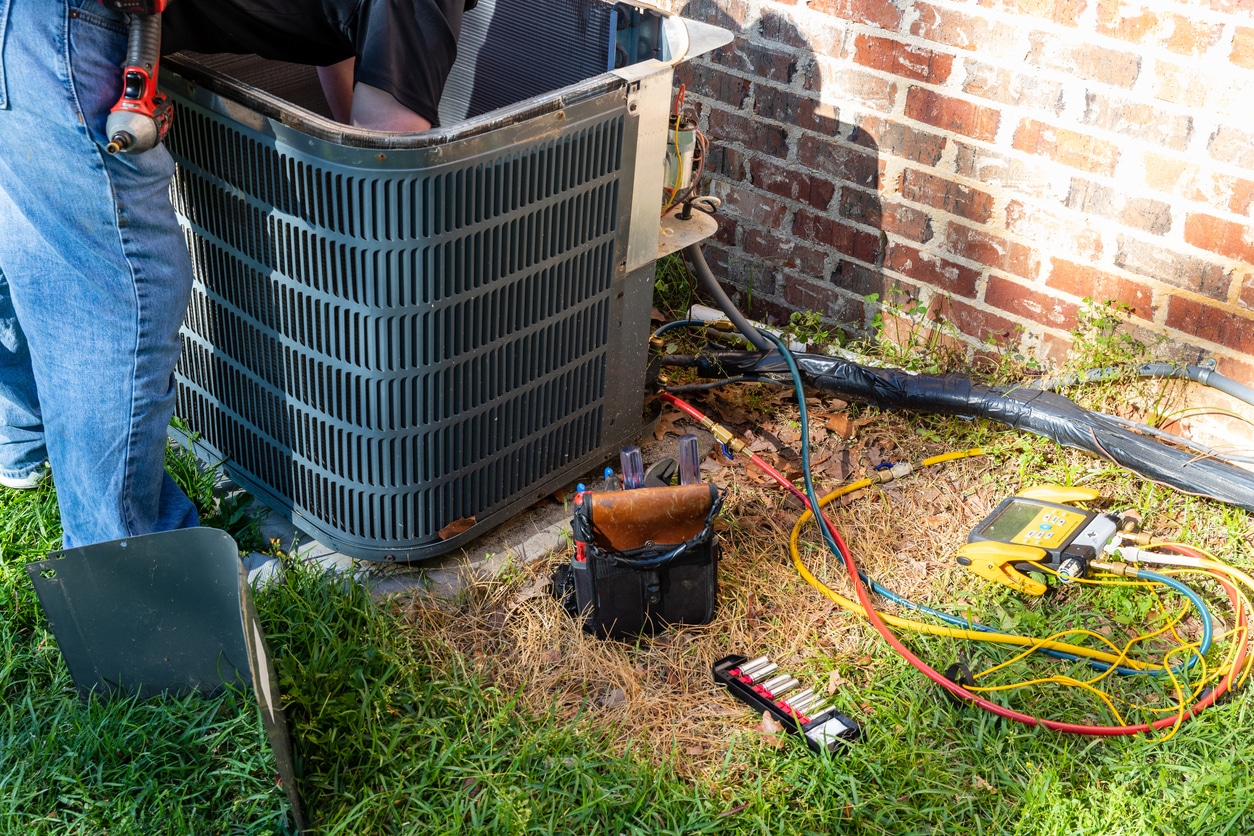
A professional AC tune-up Colorado homeowners schedule in spring should include a thorough inspection of the system’s working parts. A technician may check electrical connections, motors, drains, coils, blower components, capacitors, contactors, and safety controls.
These parts all play a role in cooling performance. A loose wire, clogged drain, or worn component can create bigger problems if left alone. The goal is to catch wear before it becomes a repair call on a hot afternoon.
This is the HVAC version of hearing a weird noise in your car and checking it before the smoke gets involved.
Refrigerant and Performance Checks
Cooling performance depends on proper refrigerant charge, healthy airflow, and clean components. If refrigerant levels are off or airflow is restricted, the system may run longer, cool unevenly, or struggle to keep up during warmer weather.
Testing helps identify why a system feels off instead of guessing. Measurements can show whether the issue is airflow, temperature split, controls, or another performance concern.
Cleaning and Preventive Adjustments
Small maintenance tasks make a real difference over a long cooling season. Cleaning coils, clearing drains, tightening electrical connections, checking moving parts, and inspecting belts or motors can improve operation and reduce strain.
Dirt and wear build slowly, so many systems decline a little at a time. Homeowners often notice the problem only when comfort drops or bills rise.
Honest Recommendations
Good service should come with clear explanations, not mystery language. You should know what needs attention now, what can wait, and what to keep an eye on over time.
Some repairs are urgent. Others are planning items. A trustworthy technician should explain the difference so you can make informed decisions without pressure or confusion.
Signs It Is Time to Call for AC Service Now
Routine maintenance helps, though some issues need attention sooner rather than later. If your system is showing any of the signs below, it is smart to have it checked before the problem grows.
Warm Air or Weak Cooling
If the system runs and the home still feels warm, something is not working as it should. The issue could involve airflow, refrigerant, controls, or mechanical wear.
Strange Noises or Odors
Equipment rarely gets louder because it is doing great. Buzzing, grinding, banging, burning smells, or musty air deserve attention. Unusual sounds can point to loose or failing parts. Odors may also signal electrical concerns, moisture issues, or buildup inside the system.
Higher Bills Without a Clear Reason
A sudden jump in energy use can signal declining efficiency, airflow restrictions, dirty components, or failing parts. The system may be working longer to deliver less cooling.
Short Cycling or Constant Running
Frequent starts and stops or nonstop operation put extra stress on equipment. This can increase wear and make temperatures less consistent throughout the home.
Short cycling and constant running usually point to an underlying issue that needs inspection, not a system being extra motivated.
Keeping Your Cool Starts Before Summer
Pre-summer maintenance gives your AC a better shot at a smooth season. Clean airflow paths, early testing, and professional service can reduce surprise repairs, lower strain, and improve comfort when temperatures climb.
Ready for a Tune-Up?
If your system needs a fresh start before the heat arrives, SAC Mechanical is ready to help. Schedule your seasonal service now and head into summer with more confidence.